Guide to Getting a Bachelors Abroad
Managing the process of obtaining a college degree overseas necessitates careful consideration of multiple factors. Applicants need to consider universities and destinations based on educational quality, funding options, and cultural compatibility. Gaining clarity on visa regulations is vital for a smooth changeover. Yet, the experience extends far beyond practical matters. Adapting to new environments and maintaining connections with home play crucial roles in shaping the experience. What hurdles and prospects are in store for those pursuing this route?
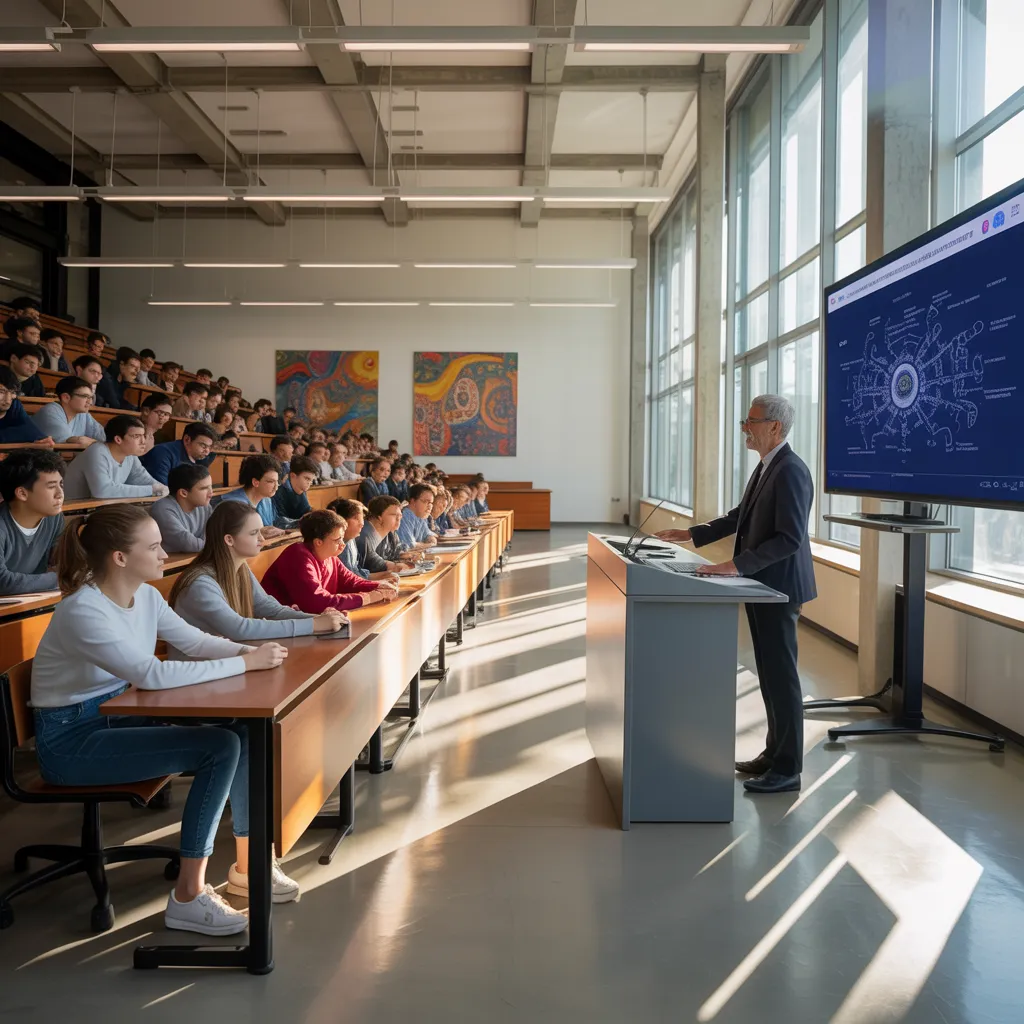
What Criteria Should You Consider When Deciding on a Country?
When deciding on a destination for a undergraduate degree abroad, what essential considerations should guide the decision? First, the educational quality is the highest priority; prospective students should research institutional rankings, faculty qualifications, and the coursework's alignment to their area of study. Furthermore, language plays an important role; students need to assess whether they are comfortable studying in the regional language or if courses offered in English are accessible.
Cultural alignment is another crucial element; comprehending the local society, traditions, and way of life can significantly shape the overall experience. Furthermore, safety and political stability are critical factors to consider; students ought to research the nation's safety record and prevailing political environment. Lastly, closeness to home and available travel options can influence personal preferences and general satisfaction. Through thoughtful evaluation of these considerations, students can reach educated decisions that resonate with their academic and personal ambitions.
How to Acquire Funding and Scholarships for an International Study Experience
Obtaining financial aid and scholarships is crucial for students considering a bachelor's degree abroad. A wide range of scholarships can be found, serving a variety of needs and academic backgrounds, and understanding these options can greatly enhance financial accessibility. Additionally, utilizing strong application approaches can increase the likelihood of success in the highly competitive scholarship environment.
Available Scholarship Types
While obtaining a bachelor's degree abroad represents an enriching opportunity, knowing the scholarship options at your disposal is essential for managing costs. Various scholarships cater to different needs and circumstances. Merit-based scholarships reward academic excellence, while need-driven scholarships aid students experiencing financial hardship. A number of academic institutions extend targeted scholarships to international students in support of diversity. Moreover, government-backed programs such as Fulbright or Chevening deliver significant financial aid for studying internationally. Private organizations and foundations also contribute funding through scholarships aimed at specific fields or regions. Lastly, various countries extend scholarships to welcome overseas students, broadening access to tertiary education. Investigating these opportunities can significantly reduce the financial strain of international education.
Helpful Tips For Application Success
Navigating the scholarship application process can greatly enhance a student's likelihood of obtaining funding for international study. To improve their prospects, students should start by exploring various scholarships that align with their scholarly ambitions and personal histories. Writing a strong personal essay is essential; it should effectively communicate goals and ambitions. In addition, obtaining strong letters of recommendation from academic advisors or faculty members can deliver significant reinforcement. Students must also remain fully aware of application due dates and specifications, making certain all documents are delivered on time. Moreover, showcasing relevant experiences, such as volunteering or internships, can distinguish a candidate. Finally, maintaining an organized approach allows for thorough management of applications and correspondence, thus enhancing the prospects of obtaining financial support.
Understanding Visa Requirements for Your Chosen Country
Comprehending visa regulations is essential for students planning to study abroad. Various countries offer different categories of student visas, each with specific criteria and application processes. Working through these stipulations can greatly impact a student's ability to pursue their education internationally.
Types Of Student Visas
Maneuvering through the world of student visas is crucial for anyone considering a undergraduate degree abroad. Various nations provide different categories of student visas, all featuring unique criteria and benefits. For illustration, the F-1 visa in the United States enables students to undertake full-time studies, while the Tier 4 visa in the United Kingdom fulfills a comparable role. Some countries, like Canada and Australia, have established visas that enable students to take on part-time work alongside their education. Furthermore, various countries could have unique stipulations based on the length of the program or the accreditation status of the institution. Understanding these differences is fundamental for aspiring international learners to guarantee compliance and select the right visa for their educational journey.
Summary of the Application Process
Maneuvering through the application process for a student visa involves careful attention to the specific requirements of the chosen country. Each nation has distinct regulations, documentation, and timelines that must be adhered to. Typically, applicants need to gather essential documents such as proof of enrollment, financial statements, and health insurance. Furthermore, certain nations may also request a language proficiency test or a medical examination.
Prospective students should begin the application process as soon as possible, as visa processing times can vary greatly. Getting acquainted with the embassy or consulate's requirements is also essential, as they offer thorough instructions along with the latest updates on requirements. Ultimately, thorough preparation guarantees a smoother passage to studying abroad.
How to Choose a University That Aligns With Your Goals?
How can one effectively choose a university that aligns with their academic and career aspirations? First, individuals should identify their specific goals, including desired majors and career paths. Exploring universities that provide excellent curricula in those particular fields is a critical step. They can utilize online resources, academic rankings, and alumni networks to assess the quality of education offered.
Additionally, factors such as campus culture, location, and extracurricular opportunities should be considered. A nurturing setting can significantly improve the general student experience. Additionally, aspiring students should evaluate the school's ties to industries relevant to their fields, as internships and networking opportunities can play a pivotal role in professional growth.
Ultimately, considering financial considerations, including tuition fees and living expenses, is essential. By assessing these considerations, applicants can arrive at thoughtful conclusions that resonate with their objectives, guaranteeing a rewarding and productive educational experience overseas.
Adapting to Cultural Differences in Your New Environment
When adapting to a new culture can be challenging, acknowledging the variations can lead to rewarding experiences. People studying in foreign countries often encounter unique customs, dialects, and cultural expectations that may seem daunting at first. To handle these cultural changes, it is crucial to tackle unfamiliar situations with an unbiased perspective and a readiness to discover. Connecting with local residents, attending cultural gatherings, and forming bonds with residents can promote greater awareness and respect of the host culture.
Additionally, maintaining a careful balance between preserving one's own cultural identity and accommodating the new environment is of great importance. Open communication and curiosity can help close divides and alleviate feelings of loneliness. As individuals embrace the uncharted, they often develop strength and flexibility, attributes that are immensely valuable both personally and professionally. In the end, these encounters can expand one's worldview and enhance academic growth, making the experience of studying in a foreign country deeply enriching.
What to Expect While Studying Abroad?
Pursuing studies overseas offers a remarkable mix of enthusiasm and unfamiliarity, as students often find themselves in new educational and cultural environments. They may encounter diverse pedagogical methods, which might span collaborative group work to self-directed studies. Scholars must be ready for differing requirements concerning participation and deadlines.
From a social standpoint, the transition can be similarly impactful. New bonds and connections may develop, but navigating varied cultural expectations and ways of communicating can pose significant hurdles. Initially, students could feel disconnected or longing for home, but such emotions tend to fade as they become part of their new surroundings.
In addition, managing everyday life, like learning about public transportation and local customs, can be intimidating yet enriching. Students will likely develop resilience and problem-solving skills as important information they acclimate to their new environment. At the end of the day, the process nurtures self-development and a wider perspective, making every obstacle worth overcoming.
How to Stay Connected With Home During Your Studies
Maintaining connections with home during studies abroad is vital for emotional stability and encouragement. Students can utilize technology to bridge the distance, utilizing video communication, instant messaging, and social networking platforms to document experiences and ensure dear ones remain in the loop. Setting up consistent check-in meetings can establish a reassuring schedule, making it easier to navigate the challenges of studying in a new environment.
Additionally, students would benefit from joining nearby expatriate networks or communities, which can offer a support network and common experiences. Dispatching postcards or care packages can also solidify relationships and provide a tangible connection to home. Immersing themselves in cultural activities that connect them to their heritage, such as preparing traditional meals or observing holidays, nurtures a feeling of belonging. By actively maintaining these connections, students can elevate their overall international study experience, guaranteeing they feel supported and less alone during their scholarly pursuits.
Common Questions and Answers
What Are the Top Countries for International Students?
A number of countries are well known for attracting international students, including Australia, Germany, Canada, the United Kingdom, and the United States. These countries provide a wide range of programs, rich cultural experiences, and pathways for academic and personal development.
How Do I Locate Student Accommodation Overseas?
To secure international student lodging, one should look into university-provided accommodation, online housing platforms, and neighborhood housing advertisements. Connecting with other students and asking for suggestions can further yield meaningful perspectives into appropriate housing options.
Am I Allowed to Work During My Studies Overseas?
Indeed, a large number of international students can work while studying abroad, subject to the applicable visa requirements. Part-time employment can offer useful real-world experience and assist with everyday living costs, but maintaining a healthy balance between academic and work obligations is essential for achieving academic goals.
Which Health Insurance Do I Need for Studying Abroad?
International students usually must have comprehensive health coverage that protects against repatriation, hospitalization, and medical emergencies. It is important to check the host country's requirements and verify the policy includes coverage for ongoing medical needs and pre-existing conditions.
How Can I Enhance My Language Abilities Before Departing?
To develop linguistic proficiency before going abroad, one should commit to regular practice through apps, language exchange programs, online courses, and immersive experiences with native speakers. Studying books and viewing films in the target language also proves highly beneficial.